Recognizing the Variety Of Solutions Offered in Flooring: Highlighting Stained Concrete Techniques
Stained concrete has become a compelling flooring choice for various spaces. Its versatility exists in the selection in between acid and water-based stains, each offering distinct visual appeals. Proper prep work and recurring maintenance are important to guarantee its resilience and appearance. As the demand for innovative floor covering services expands, recognizing the nuances of stained concrete techniques might open up new possibilities for both household and industrial environments. What distinct benefits might this floor covering option bring to a task?
The Essentials of Stained Concrete
Stained concrete works as a versatile floor covering option that combines durability with visual appeal. This flooring technique includes applying a particularly developed stain to the concrete surface area, which permeates and alters the shade of the product. The process not only improves the appearances of concrete but also supplies the benefit of protecting it from wear and tear. Stained concrete can achieve a vast array of appearances, from natural tones to vibrant colors, making it suitable for numerous style themes.
Correct preparation of the concrete surface area is vital for perfect results. This may consist of cleansing, grinding, or engraving to ensure the stain adheres efficiently. Additionally, the application procedure usually includes making use of devices such as sprayers or brushes to attain uniform coverage. After staining, a sealer is often put on improve toughness and maintain the vibrancy of the color. Inevitably, tarnished concrete offers an eye-catching and resilient flooring service for domestic and commercial areas alike.
Kinds of Stains: Acid vs. Water-Based
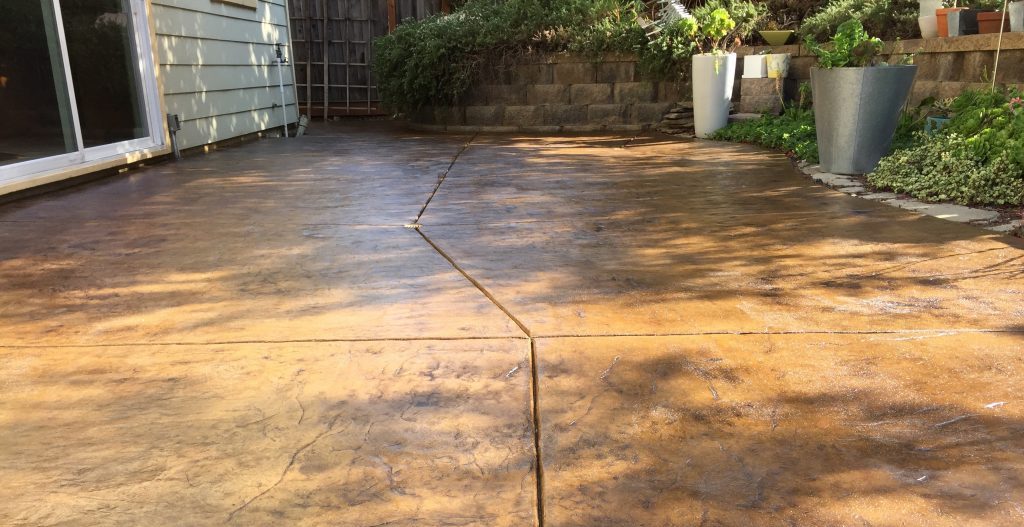
In comparison, water-based discolorations offer a bigger variety of colors and are simpler to use. They do not react chemically with concrete but instead offer a surface area color - stained concrete austin. Water-based spots are low in volatile organic compounds (VOCs), making them much more eco-friendly and ideal for indoor projects. While they might not give the very same deepness of color as acid discolorations, their convenience and simplicity of usage make them appealing for different applications. Ultimately, the choice depends on the job's needs, desired aesthetics, and place
Methods for Staining Concrete
The methods for discoloring concrete vary substantially in between acid and water-based approaches. Acid staining includes a chemical response that produces one-of-a-kind, variegated shades, while water-based stains offer a wider palette and much easier application. Comprehending these processes is essential for attaining the wanted visual in concrete flooring.
Acid Staining Process
Acid staining provides a dynamic way to boost the visual allure of concrete surface areas. This process involves using a mixture of water, hydrochloric acid, and pigments to the concrete, which reacts chemically to generate vivid, clear colors. The concrete surface must be thoroughly cleaned and prepped to assure suitable bond. When used, the acid stain penetrates the concrete, developing distinct marbled results as it responds with the lime in the concrete. After the preferred color establishes, the surface is counteracted and rinsed to halt the response. Finally, a sealer is put on protect the coating and enhance resilience. Acid staining not just transforms the appearance of concrete however also supplies a resilient solution for attractive flooring.
Water-Based Staining Benefits
Just how can water-based staining raise the aesthetic and useful qualities of concrete surface areas? Water-based discolorations use a versatile option for boosting concrete, offering dynamic shade options while ensuring ecological security. Unlike acid discolorations, water-based choices pass through the surface area, permitting even color distribution and a series of finishes, from matte to shiny. Furthermore, they are reduced in volatile natural compounds (VOCs), making them much less damaging to interior air quality. Their fast drying out time promotes much faster project completion, while their resistance to fading ensures durable elegance. Water-based stains can also enhance the concrete's sturdiness and resistance to spots, making them an excellent choice for both property and industrial applications. Inevitably, they give a sustainable, appealing service for different concrete surfaces.
Style Opportunities With Stained Concrete
Stained concrete offers a variety of style possibilities that can improve any area. Techniques such as color variation, various surface finishing alternatives, and personalized design patterns permit unique and personalized flooring options. These components not just raise looks yet additionally add to the general functionality of the concrete surface.
Shade Variant Techniques
While exploring the layout possibilities of discolored concrete, color variant methods play a critical duty in boosting both visual appeal and capability. These techniques enable for the creation of one-of-a-kind patterns and impacts that can transform a basic concrete surface area into an aesthetically striking aspect of a space. Choices such as acid staining, which reacts chemically with the concrete, generate rich, transparent hues that imitate all-natural rock. Water-based stains use a more comprehensive color scheme and permit more control in design. Furthermore, layering Recommended Site various spots can develop depth and measurement, providing a customized appearance. By incorporating color variant strategies, developers can attain diverse designs, from rustic to modern, guaranteeing that stained concrete fits flawlessly into any type of layout plan.
Surface Area Finishing Options
The exploration of color variant strategies sets the stage for considering surface finishing alternatives, which greatly affect the general appearance and capability of stained concrete. Different coatings can boost the aesthetic appeal and longevity of the surface. Common choices consist of matte, satin, and glossy surfaces, each supplying a distinctive aesthetic effect. Matte coatings supply a subtle, understated sophistication, while satin finishes strike a balance between shine and functionality, making them prominent for household and business rooms. Shiny coatings, on the various other hand, develop a high-shine appearance, boosting shade vibrancy and light reflection. Furthermore, surface area therapies such as polishing or sealing even more enhance longevity, making these finishing options crucial considerations in designing functional and aesthetically enticing discolored concrete floors.
Customized Design Patterns
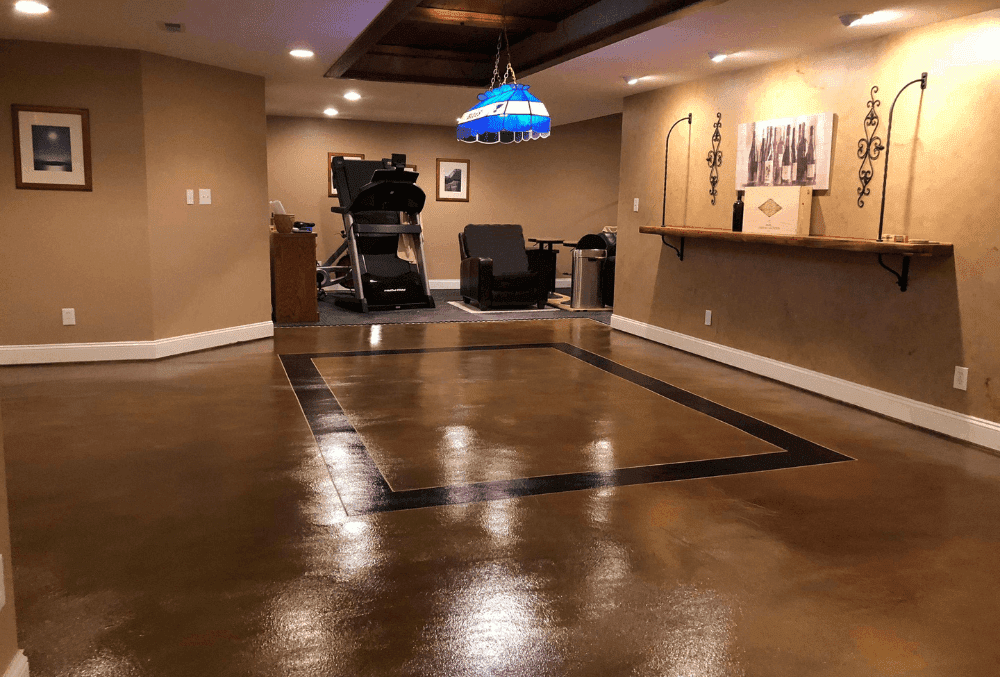
How can custom-made layout patterns boost the charm of discolored concrete? By incorporating unique designs, tarnished concrete can change normal flooring into a striking aesthetic statement. Customized patterns, such as geometric shapes, detailed themes, or natural designs, enable for personalization, making rooms really feel tailored and welcoming. Customers can pick from a range of methods, including saw cuts, patterns, or overlays, to achieve wanted effects. Additionally, combining several shades with different stain techniques improves the depth and dimension of the patterns. These design opportunities not only boost aesthetic charm but additionally boost the value of residential or commercial rooms. Ultimately, personalized layout patterns provide a possibility for creative thinking, establishing discolored concrete besides conventional floor covering options.
Preparing Your Concrete Surface Area
Appropriate preparation of the concrete surface area is important for attaining a successful stained coating. This process begins with thorough cleansing to eliminate dust, grease, and any type of various other contaminants. A pressure washer or a flooring scrubber can properly get rid of these compounds, ensuring a clean slate for staining. After cleansing, it is essential to repair any kind of cracks or flaws in the concrete. This can be completed utilizing a concrete patching compound, which must be permitted to cure completely before continuing.
Once the surface is clean and repaired, grinding or fining sand might be required to produce a smooth, also texture. This step enhances the concrete's capacity to absorb the stain consistently. Finally, a concrete etcher can be applied to open up the pores of the surface, enabling far better adhesion of the stain (Austin stained concrete company). By complying with these you can try this out prep work actions, the resulting discolored concrete will certainly exhibit an extra vivid and long-term coating
Upkeep and Treatment for Stained Concrete
Maintaining discolored concrete is important for preserving its appearance and longevity after the initial preparation and application of stain. Routine cleaning is very important; sweeping or vacuuming to eliminate dirt and debris avoids scratches and dullness. For much deeper cleaning, a mild pH-neutral detergent blended with water can be made use of, followed by complete rinsing to prevent residue build-up.
Securing tarnished concrete is one more key upkeep action, as it shields the surface area from spots and wetness. Depending on the sealer kind, reapplication may be necessary each to three years. Additionally, avoiding harsh chemicals and unpleasant tools aids preserve the honesty of the stain.
For outdoor discolored concrete, it is a good idea to clear snow or ice immediately to stop damage from freeze-thaw cycles. Generally, regular care assurances that discolored concrete preserves its vivid color and structural security in time, making it a durable floor covering option.
Cost Considerations for Stained Concrete Floor Covering
When examining the expense of discolored concrete floor covering, possible home owners usually question the numerous elements that affect pricing. Key factors to consider consist of the size of the area to be covered, the intricacy of the design, and the type of stain made use of. Basic staining strategies often tend to be more budget friendly, while detailed patterns or several colors can substantially increase costs.

Geographic area is one more aspect, as rates can differ widely from one area to one more. Lastly, continuous maintenance prices should be factored in, as sealers and protective coatings might be required in time to maintain the aesthetic and sturdiness of the tarnished concrete.
Frequently Asked Inquiries
Can Stained Concrete Be Applied Over Existing Floor Covering?
The question of whether discolored concrete can be right here applied over existing floor covering is often asked. Usually, it is possible, offered the underlying surface area is clean, secure, and ideal for proper bond of the stained concrete.
How Lengthy Does the Staining Process Take?
The staining procedure normally takes a few hours to a complete day, depending upon the size of the area and the intricacy of the layout. Treating might require extra time prior to the surface is totally useful.
Is Stained Concrete Suitable for Outdoor Use?
Stained concrete is undoubtedly suitable for exterior use, as it endures various climate problems. Its durability and visual allure make it a prominent option for patio areas, pathways, and driveways, enhancing both functionality and aesthetic passion.
Can I Adjustment the Color of Stained Concrete Later?
The capacity to change the color of stained concrete later relies on various aspects, consisting of the initial stain kind and surface area preparation. Consulting a specialist can supply assistance on possible choices and results for shade change.
Exist Eco-Friendly Options for Stained Concrete?
The inquiry concerning eco-friendly options for stained concrete discloses a growing passion in lasting structure methods. Several companies currently use low-VOC stains and eco-friendly sealants, making sure visual appeal while lessening environmental effect.
Comments on “Why stained concrete austin is reshaping modern floors”